All posts by stinabrown

Stina Brown: Executive Coach, Process Designer + Facilitator, Organizational Development Designer/Trainer, and Artist in Residence

Good Governance, Rooted in Human Connection

What does good governance mean? It’s more than rules and policies—it’s the fair administration of resources, the coordination of systems free from corruption, and decision-making that respects autonomy and dignity. Good governance relies on capable people performing their roles in functional relationships. It’s about transparent management, open communication, and building toward meaningful improvements.

What is the opposite of manipulation? Sovereignty. It starts with clear perception—honesty with oneself, autonomy, and dignity—and extends into relationships: acting without hidden agendas or control, respecting others as equals.

Group dialogue around a fire
Digital Threats to Democracy Retreat 2019

Whether looking at power shifts on a macro scale or reflecting on our personal paths, I want to offer encouragement: by slowing down and becoming aware, we can study the systems around us and explore our options. This awareness forms the foundation of what I call a systems approach—a way to engage with the interconnected nature of relationships and processes that define our communities.


What Is a Systems Approach?

A systems approach transforms how organizations operate by addressing root causes and interconnected challenges. It’s about shifting culture, values, and mindsets alongside processes and structures. Unlike quick fixes, it ensures sustainable, inclusive solutions by fostering a deep understanding of how systems interact.

A simple way to begin is to identify one area where small changes could make a big difference. For example, what’s one process that feels overly complicated or one relationship that needs more clarity and connection? Starting small allows meaningful change to take root.

Why a Systems Approach Matters Now

In today’s rapidly evolving world, leaders must constantly adapt. A systems approach equips teams to lead with clarity, build trust, and foster lasting connections. By addressing visible and invisible dynamics—like power structures and cultural norms—organizations can move from reactive problem-solving to purpose-driven growth.


Where to Start:
Practical Steps to Support Human Connection

  1. Clarify Your Purpose Together
    Ask: “What do we truly want to achieve together, and why does it matter?” Purpose builds alignment and momentum.
  2. Identify Patterns, Not Problems
    Look at recurring dynamics shaping outcomes. Shift patterns rather than fixing isolated issues.
  3. Cultivate Trust Through Small Actions
    Build trust with consistent, small actions—listen deeply, acknowledge contributions, and value every voice.
  4. Start Conversations That Matter
    Ask open-ended questions: “What could make working together easier?” or “What challenge is holding us back?”
  5. Celebrate What’s Already Working
    Acknowledge and amplify team strengths. Reflect on successes and build on them.
  6. Focus on Relationships, Not Just Roles
    Ask: “How can we better support each other?” Strong relationships lead to better collaboration.
  7. Experiment and Learn
    Treat change as an experiment. Test small approaches, reflect on what works, and iterate.
  8. Visualize Your System Together
    Use diagrams or maps to uncover bottlenecks and strengths in your organization.
  9. Align Values with Actions
    Reflect on whether daily actions align with team values. Adjust where misalignment exists.
  10. Invite Feedback—and Act on It
    Seek feedback on communication and culture. Show commitment by acting on what you hear.

By adopting a systems approach rooted in human connection, you can build stronger, more adaptable organizations while fostering trust and purpose. How have you created human connection and good governance in your organization? Let’s keep the conversation going.

Contact Stina today if you’d like to chat about what this could look like for your organization.

Navigating Change: Coaching for Effective Leadership

Leaders face incredible pressure to navigate complexity, inspire teams, and deliver results—often without the clarity and support they need. This is where I come in.

Howard Jang, Executive and Artistic Director of ArtSpring, experienced this first-hand when we partnered to:

  • Develop ArtSpring’s first Strategic Plan since the pandemic, empowering their team with clear direction and renewed momentum.
  • Provide personalized leadership coaching to help Howard navigate challenges and step into his role with confidence, intention and light structure.

Howard Jang, Executive and Artistic Director, ArtSpring


The Impact

With a clear roadmap and stronger leadership:

  • ArtSpring’s growth and sustainability are thriving.
  • Howard leads with clarity and confidence in his role.
  • The organization has a shared vision that drives every decision.

How I Help Leaders Like You

I specialize in guiding executives and teams through transformative change, whether it’s developing actionable strategies, building trust across your organization, or helping you unlock your full potential as a leader.

  • Strategic Clarity: Design practical, actionable plans to align and inspire your team.
  • Leadership Coaching: Gain the confidence and clarity to navigate challenges effectively.
  • Human-Centered Collaboration: Lead with intention, trust, and impact.

If you’re ready to bring focus, alignment, and transformation to your leadership or organization, I’m here to help.


Let’s Work Together: Connect For Your Free Consultation

Taking the first step is simple. I offer a free consultation to explore your goals and how I can support you. Be in touch to have a chat.

Go back

Your message has been sent

Warning
Warning
Warning
Warning
Warning
Warning

Warning.


About Stina Brown I work with leaders and organizations to cultivate clarity, confidence, and actionable strategies for meaningful transformation. Together, we’ll align your team, amplify your leadership, and achieve lasting results.

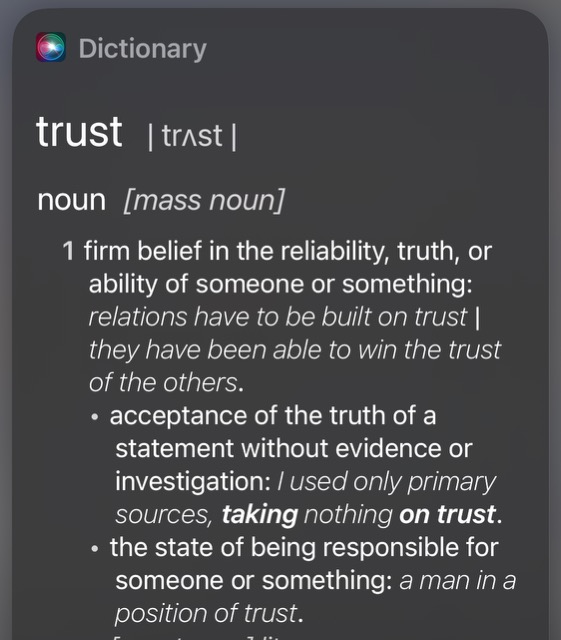
Rebuilding Trust in a World That’s Falling Apart

Trust is in crisis. You feel it in the headlines, the boardrooms, and maybe even in your gut. Complex systems are fraying under pressure, and the very mechanisms we rely on seem to be faltering. From politics to labor strikes to financial scams, trust is harder to find—and yet more essential than ever.

For leaders, this isn’t just a distant issue; it’s in the fabric of your work every single day. Without trust, conversations stall, relationships erode, and meaningful progress becomes impossible. But when trust is present, it transforms everything.

Trust Starts With You

The work I do with individuals, teams, and organizations always begins with trust. It’s not about grand gestures or mission statements—it’s about presence, integrity, and courage. Leaders need to trust themselves first.

How do you show up when emotions run high? Do you engage with honesty when the stakes feel unbearable? Building trust starts with deep self-awareness and the ability to navigate your own emotional landscape with authenticity.

When you trust yourself, you create a stable foundation for others. Your security isn’t reliant on the actions or reactions of others – it’s rooted in your values and self-knowledge. This stability allows you to lead with clarity and inspire confidence in your team.

The Culture of Trust

Think about your workplace: Is trust actively cultivated? Beyond team-building outings or polished culture statements, is there intentional work happening to deepen connection and trust among your people?

True trust requires consequential conversations—dialogues that go beyond surface-level niceties and dive into the courageous, honest truths about where you are and where you’re going. As a leader, facilitating these conversations takes vulnerability and skill, but the payoff is extraordinary.

Navigating the Emotional Landscape

We are collectively in a season of difficult emotions. Denial may feel easier, but it’s not the path forward. Instead, leadership today demands radical acceptance—not just of external realities but of the full spectrum of emotions we experience internally.

Meeting yourself where you are—without judgment—builds profound inner resources. Whether it’s journaling, working with a therapist, or simply sitting quietly with your experience, the act of noticing and naming your emotions is a powerful step toward insight and alignment.

From this place of internal clarity, you can respond in ways that reflect your deepest values. This alignment doesn’t just benefit you; it creates a ripple effect through your teams and organizations.

Leading with Trust

The systems of trust that once seemed unshakable no longer meet today’s needs. This means we have to lead differently. We have to create new models of trust, rooted in authenticity, humility, and a fierce commitment to integrity.

The work I value most is standing shoulder-to-shoulder with leaders who are ready to step up. Leaders who are brave enough to reimagine trust within themselves and offer new possibilities of trust to their teams.

If you’re ready to dig deep, to explore the untapped resources within yourself, and to lead in a way that aligns with your highest values, I want to work with you. Together, we can navigate the complexities of trust and create something extraordinary in these unpredictable times.

Be in touch with me for a free 30 minute call to explore how you can lead with trust. stina at stinabrown dot com.

The future demands leaders who are ready to chart a new course. Let’s begin.